
From AI-Generated Code to Professionally Engineered Software
Clean Architecture. Real Reliability.
AI code generation is fast, dangerously fast. Your team shipped in weeks what used to take months, and now you're staring at a codebase that works, mostly, until it doesn't. Inconsistent patterns, missing tests, undocumented dependencies, and architecture decisions made by a model that had no context about your business. The speed was real. So is the technical debt. Don't let AI-generated shortcuts become engineering bottlenecks that stall your next release. DBot Software assesses what's worth keeping, systematically refactors the rest, and hands back a codebase your team can actually maintain and scale.
Get Your Code Assessed
/The Challenge/
When Fast Code Becomes a Liability
The promise of AI-assisted development is real, but so are the consequences of skipping the engineering layer. Most AI-generated codebases share the same structural problems: redundant logic scattered across modules, no consistent architectural pattern, zero test coverage on critical paths, and dependencies nobody documented or even understands. Your developers spend more time deciphering what the code does than building what the business needs. Onboarding new engineers takes weeks. Every new feature risks breaking something else. What started as a productivity win quietly becomes your biggest engineering risk.
Client retention
On time delivery
Industries Trusting Our Solutions
NDA Included
Strict adherence to confidentiality
IP Rights Secured
All Intellectual Property belongs to you
/Our Approach/
The Cost of Leaving It Unaddressed
Unstructured codebases compound. Each new feature added to a poorly architected system increases complexity and risk exponentially, not linearly. Teams that delay refactoring report longer release cycles, higher defect rates, and engineers burning out on code they don't trust. Beyond internal pain, there are real business consequences: failed audits, integration blockers, investor due diligence that flags technical debt, and platforms that can't scale when demand spikes. On the other side: a clean, documented, tested codebase accelerates every team that touches it. Deployment confidence goes up. Onboarding time drops. Your engineering velocity returns, and stays there.
/Get Started/
Ready to Build on a Codebase You Can Trust?
Start with a free technical assessment. We'll review your current codebase, identify the highest-risk structural issues, and outline a clear refactoring roadmap with realistic timelines and costs. No obligation, no hard sell, just an honest picture of where things stand and what it takes to fix them. Our team is available to start the conversation now.
/What’s at Stake/
What Happens If the Refactor Goes Wrong?
It's a fair concern. Refactoring a live codebase carries risk, regressions, downtime, functionality loss. We take that seriously. Every DBot engagement starts with a comprehensive audit and risk map before a single line changes. We work in incremental, testable phases, not big-bang rewrites, so your platform stays operational throughout. Our 100% on-time delivery record and agile delivery methodology mean scope is controlled, milestones are clear, and you always know what's happening and why. You're not handing your codebase to a black box. You're working with engineers who've done this before, at scale, without breaking production.
Book Free Technical Assessment/Proven Results/
94% Client Retention Doesn't Happen by Accident
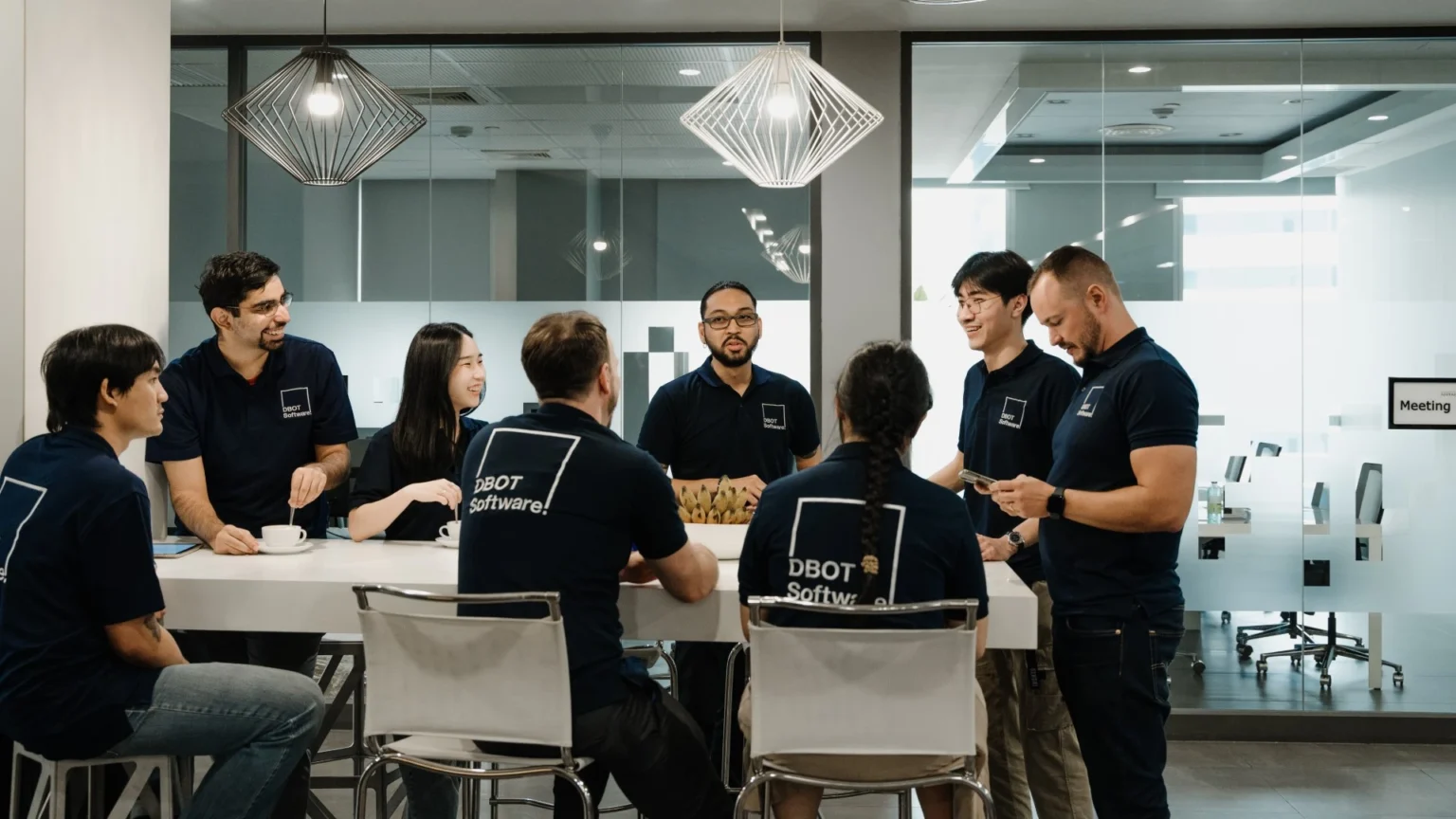
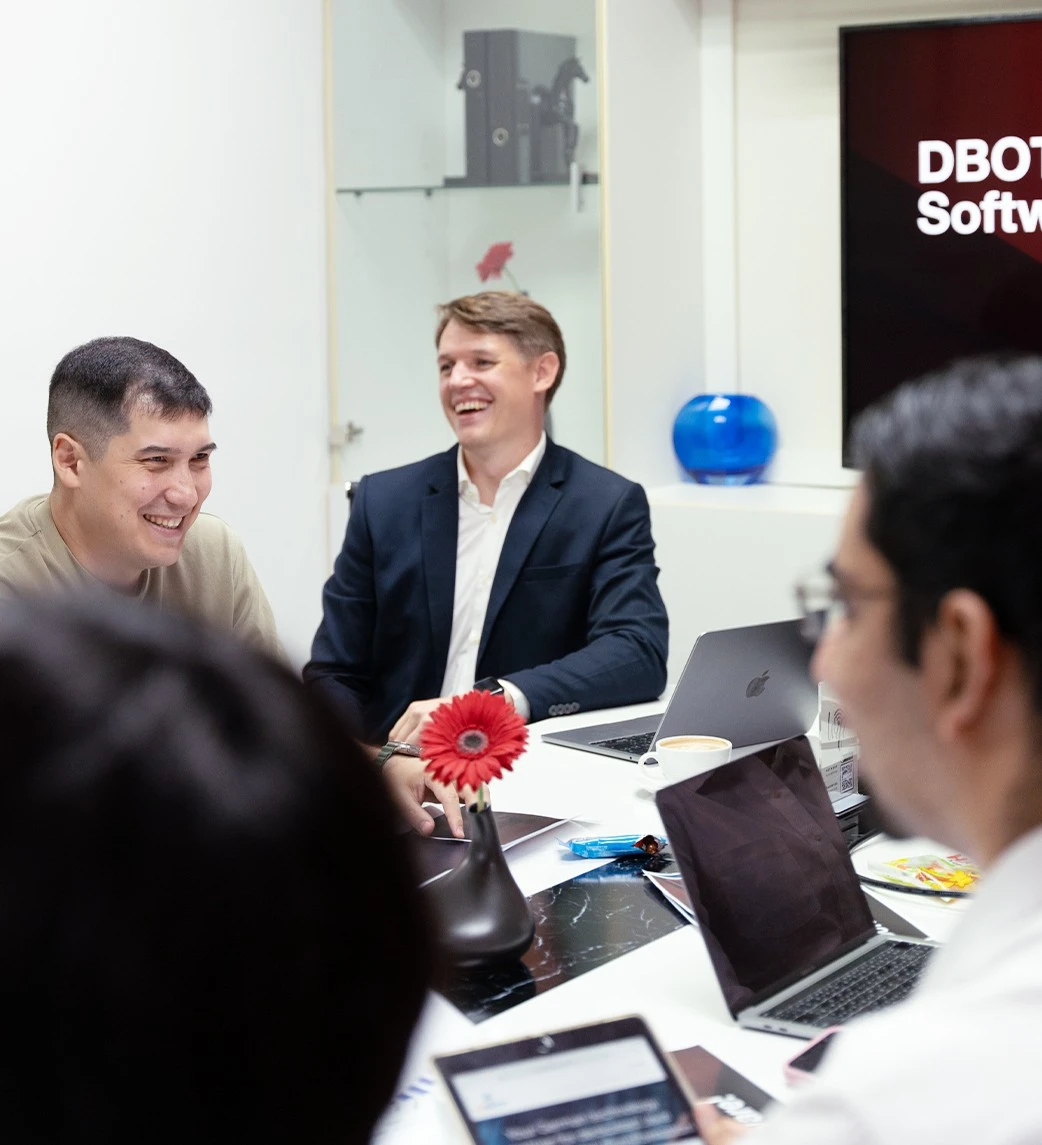
The clients who come to DBot Software tend to stay. That’s not a marketing claim, it’s a function of how we work. We scope engagements honestly, deliver on time, and build systems that hold up after we hand them back. Clients across logistics, retail, education, and supply chain have trusted us with their most complex technical challenges, and they return because the results speak for themselves. Long-term partnerships are built on projects that actually work.
Real Outcomes From Real Engagements
The proof is in production. For DD Bricks, we delivered a hybrid B2C and B2B commerce platform that reduced operational workload by 60% and generated $500K in annual savings. For Häfele, a global supply chain refactor cut workload by 60% and reduced stock shortages by 30%. For RIS Swiss School, a full platform overhaul reduced administrative overhead by 60% and achieved 100% integration across systems. These weren't clean greenfield builds, they were complex, messy starting points turned into scalable, maintainable platforms. The same approach applies to your AI-generated codebase.

Griffwerk
Griffwerk: Redefining Efficiency and Cost Reduction in the Door Industry
Enhance operational efficiency and reduce costs.
Griffwerk partnered with DBot to integrate intelligent automation and software solutions into their processes. This collaboration focused on streamlining workflows through Robotic Process Automation (RPA) and Python-based automation, ensuring greater accuracy, speed, and cost-effectiveness in daily operations.

Heicko
Heicko e-ast GmbH: Streamlining CRM and ERP Systems with DBot Solutions
To enhance efficiency and automation, Heicko e-ast GmbH partnered with DBot to optimize their CRM and ERP systems.
By streamlining sales processes and automating key operations, DBot helped Heicko reduce manual workload, improve data accuracy, and enhance sales performance. Through intelligent automation, including RPA and API integrations, Heicko’s operations became more agile and scalable.

Häfele
Hafele's Digital Transformation: Intelligent Automation in the Furniture and Hardware Industry
DBot partnered with Häfele to drive a large-scale digital transformation through intelligent automation.
The collaboration spanned various projects, from custom software solutions to automation enhancements. One of the key achievements was the overhaul of Häfele's purchase order system using cutting-edge OCR (Optical Character Recognition) and RPA (Robotic Process Automation) technologies.
RIS Swiss Section Bangkok
RIS Swiss Section Bangkok: 60-Year Legacy in Digital Transformation for Education
60-Year Legacy in Digital Transformation for Education.
RIS Swiss Section Bangkok, a renowned German language school, embarked on a comprehensive digital transformation journey in collaboration with DBot. This marked a significant milestone in the institution's legacy, a commitment to embracing cutting-edge technology and enhancing the educational experience.

DD Bricks
DD Bricks: Revolutionizing E-Comm with a Customized ERP System
Revolutionizing E-Comm with a Customized ERP System.
DD Bricks, the global leader in e-commerce for pre-owned Lego components, embarked on a transformative journey to enhance its operations and solidify its position in the dynamic Lego marketplace. They partnered with DBot to create a tailored ERP system, a game-changing move in the world of Lego commerce.
Alpega
Alpega Group: Enhancing Transport Management Software Excellence
Enhancing Transport Management Software Excellence.
Alpega is a leading global logistics software company that offers end-to-end solutions that cover all transport needs, including transport management services (TMS) and freight exchanges. Dive into the challenges faced, innovative solutions implemented, and the transformative results achieved in the logistics software sector.
Questions About AI Code Refactoring
Here are the questions we hear most often from teams evaluating a refactoring engagement. If yours isn't here, reach out directly, we're straightforward with answers.
Contact usHow do you decide what to keep versus rewrite?
We start with a full technical audit, analyzing architecture, test coverage, dependency mapping, and code quality metrics. We preserve everything that’s structurally sound and functionally correct. We only refactor or rewrite components where the risk, maintainability cost, or architectural impact justifies it. You get a clear breakdown before any work begins.
How long does a refactoring engagement typically take?
It depends on codebase size and complexity, but most engagements run 4-12 weeks. We scope and phase the work so your platform stays operational throughout, and we deliver in testable increments, not a single high-risk cutover at the end.
What does this cost compared to a full rebuild?
Targeted refactoring is almost always significantly cheaper than rebuilding from scratch, and faster. Our Frankfurt-managed, Bangkok-based team structure keeps rates highly competitive without compromising on engineering standards. After assessment, we provide a fixed-scope proposal so there are no budget surprises.
Will my team be able to maintain the code afterward?
That’s the whole point. Every engagement includes thorough documentation, architectural decision records, and knowledge transfer sessions with your team. We build to patterns your engineers can understand, extend, and own, not to patterns that create dependency on us.